Foot health often changes during pregnancy as the body adapts to support a growing baby. The center of gravity shifts due to the increased uterus and body mass, placing added pressure on the feet and altering posture. Hormonal changes, especially increased relaxin, can cause ligaments to loosen, leading the feet to become longer, flatter, and broader, over time. Swelling is also common, and may make it difficult to find comfortable and supportive shoes. These changes can contribute to discomfort and fatigue with daily activities. A podiatrist can help by evaluating foot structure, recommending proper footwear, and providing guidance to reduce strain and swelling. If your feet are uncomfortable during your pregnancy, it is suggested that you consult a podiatrist who can offer appropriate relief tips.
Pregnant women with swollen feet can be treated with a variety of different methods that are readily available. For more information about other cures for swollen feet during pregnancy, consult with one of our podiatrists from Grobowski Foot & Ankle. our doctors will attend to all of your foot and ankle needs.
What Foot Problems Can Arise During Pregnancy?
One problem that can occur is overpronation, which occurs when the arch of the foot flattens and tends to roll inward. This can cause pain and discomfort in your heels while you’re walking or even just standing up, trying to support your baby.
Another problem is edema, or swelling in the extremities. This often affects the feet during pregnancy but tends to occur in the later stages.
How Can I Keep My Feet Healthy During Pregnancy?
Wearing orthotics can provide extra support for the feet and help distribute weight evenly
Minimize the amount of time spent walking barefoot
Wear shoes with good arch support
Wear shoes that allow for good circulation to the feet
Elevate feet if you experience swelling
Massage your feet
Get regular, light exercise, such as walking, to promote blood circulation to the feet
If you have any questions, please feel free to contact one of our offices located in Bellevue, Seattle, and Issaquah, WA,. We offer the newest diagnostic and treatment technologies for all your foot care needs.
Nail fungus, also called onychomycosis, is a fungal infection that affects the nails. It can cause nails to become thick, discolored, brittle, or misshapen. While more common in adults, children can develop this condition, especially if their feet stay moist or if they have had athlete’s foot, a fungal infection of the skin on the feet. Treatment depends on how severe the infection is. Mild cases may improve with topical antifungal medications applied directly to the nail. More persistent cases may require oral medication to clear the infection from within. Keeping nails trimmed, clean, and dry can support healing and help prevent spread. It is also important to avoid sharing nail clippers or shoes. Early care can make treatment easier and more effective. If you notice changes in your child’s nails, it is suggested that you see a podiatrist for a proper diagnosis and appropriate treatment.
If left untreated, toenail fungus may spread to other toenails, skin, or even fingernails. If you suspect you have toenail fungus it is important to seek treatment right away. For more information about treatment, contact one of our podiatrists of Grobowski Foot & Ankle. our doctors can provide the care you need to keep you pain-free and on your feet.
Symptoms
Warped or oddly shaped nails
Yellowish nails
Loose/separated nail
Buildup of bits and pieces of nail fragments under the nail
Brittle, broken, thickened nail
Treatment
If self-care strategies and over-the-counter medications does not help your fungus, your podiatrist may give you a prescription drug instead. Even if you find relief from your toenail fungus symptoms, you may experience a repeat infection in the future.
Prevention
In order to prevent getting toenail fungus in the future, you should always make sure to wash your feet with soap and water. After washing, it is important to dry your feet thoroughly especially in between the toes. When trimming your toenails, be sure to trim straight across instead of in a rounded shape. It is crucial not to cover up discolored nails with nail polish because that will prevent your nail from being able to “breathe”.
In some cases, surgical procedure may be needed to remove the toenail fungus. Consult with your podiatrist about the best treatment options for your case of toenail fungus.
If you have any questions please contact one of our offices located in Bellevue, Seattle, and Issaquah, WA,. We offer the newest diagnostic and treatment technologies for all your foot and ankle needs.
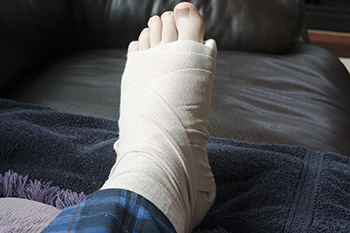
A fifth metatarsal fracture is a break in the long bone on the outside of the foot that connects to the little toe. This injury often occurs after a sudden twist of the foot, a misstep on uneven ground, or direct impact during sports. Patients usually notice sharp pain along the outer side of the foot along with swelling and bruising. Walking may become difficult, and the area can feel tender to the touch. Some fractures occur near the base of the bone and may develop slowly from repeated stress, especially in athletes or active individuals. A podiatrist begins with a careful examination of the foot and reviews how the injury occurred. X-rays are often used to confirm the fracture and determine its exact location. Treatment may include protective immobilization, limited weight bearing, and targeted exercises once healing begins. In certain cases, surgery may be recommended for proper alignment. If you think you may have a foot fracture, it is suggested that you make an immediate appointment with a podiatrist.
A broken foot requires immediate medical attention and treatment. If you need your feet checked, contact one of our podiatrists from Grobowski Foot & Ankle. our doctors can provide the care you need to keep you pain-free and on your feet.
Broken Foot Causes, Symptoms, and Treatment
A broken foot is caused by one of the bones in the foot typically breaking when bended, crushed, or stretched beyond its natural capabilities. Usually the location of the fracture indicates how the break occurred, whether it was through an object, fall, or any other type of injury.
Common Symptoms of Broken Feet:
Bruising
Pain
Redness
Swelling
Blue in color
Numbness
Cold
Misshapen
Cuts
Deformities
Those that suspect they have a broken foot shoot seek urgent medical attention where a medical professional could diagnose the severity.
Treatment for broken bones varies depending on the cause, severity and location. Some will require the use of splints, casts or crutches while others could even involve surgery to repair the broken bones. Personal care includes the use of ice and keeping the foot stabilized and elevated.
If you have any questions, please feel free to contact one of our offices located in Bellevue, Seattle, and Issaquah, WA,. We offer the newest diagnostic and treatment technologies for all your foot care needs.
If left untreated, an ingrown toenail can lead to more serious concerns, such as an infection. Knowing proper nail care can help in the prevention of an ingrown toenail. Give us a call, and get treated!